
Diamond Wars

Diamond Wars
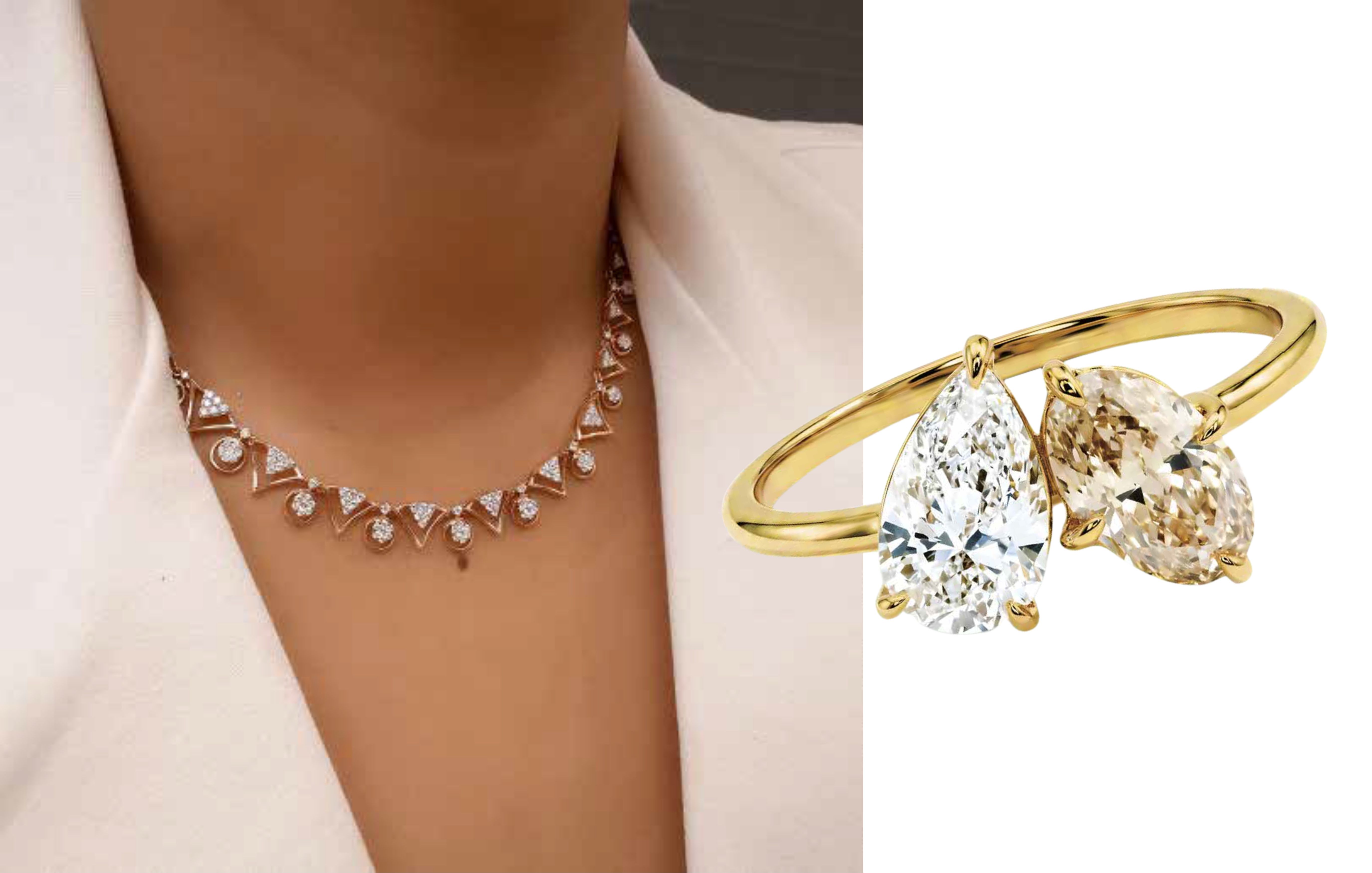
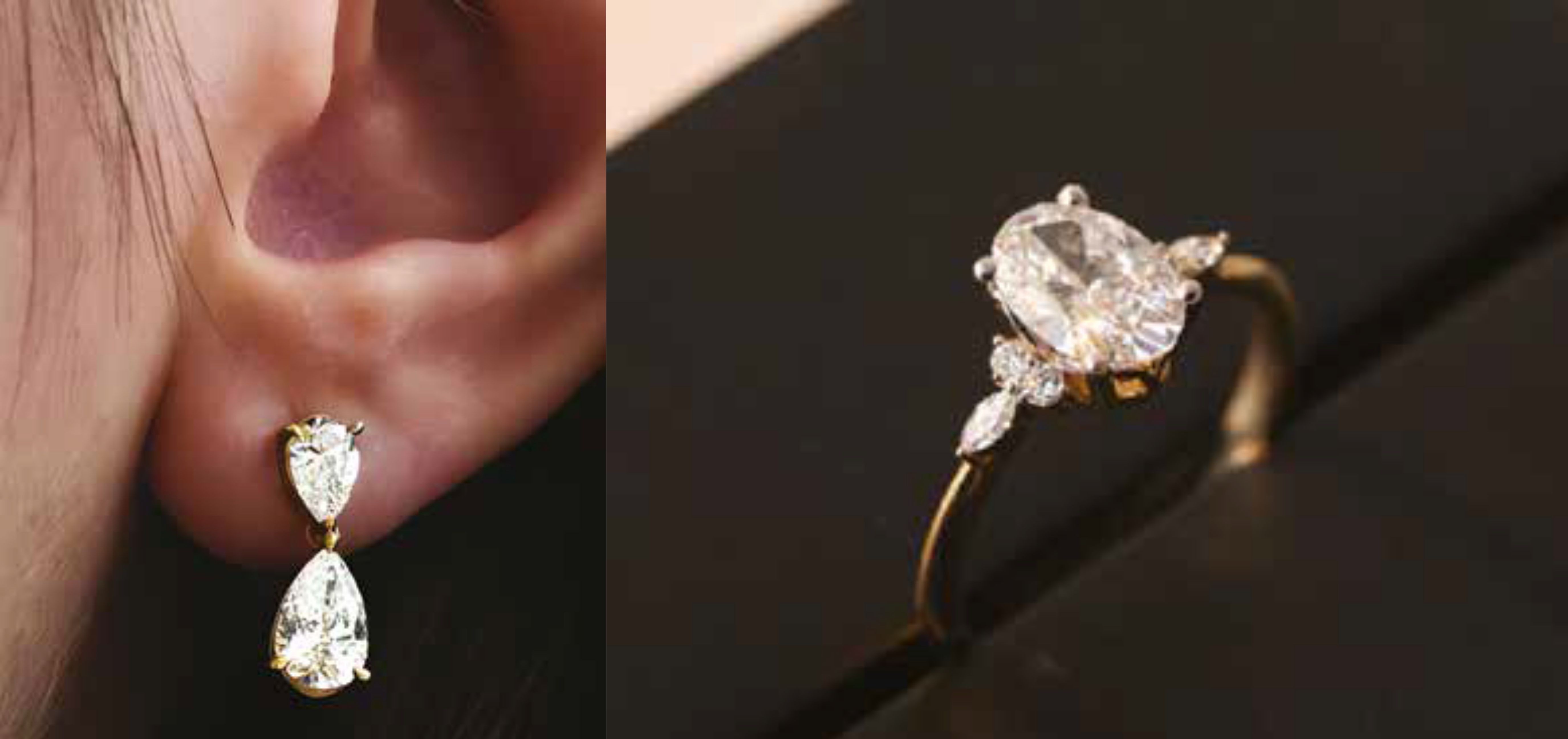
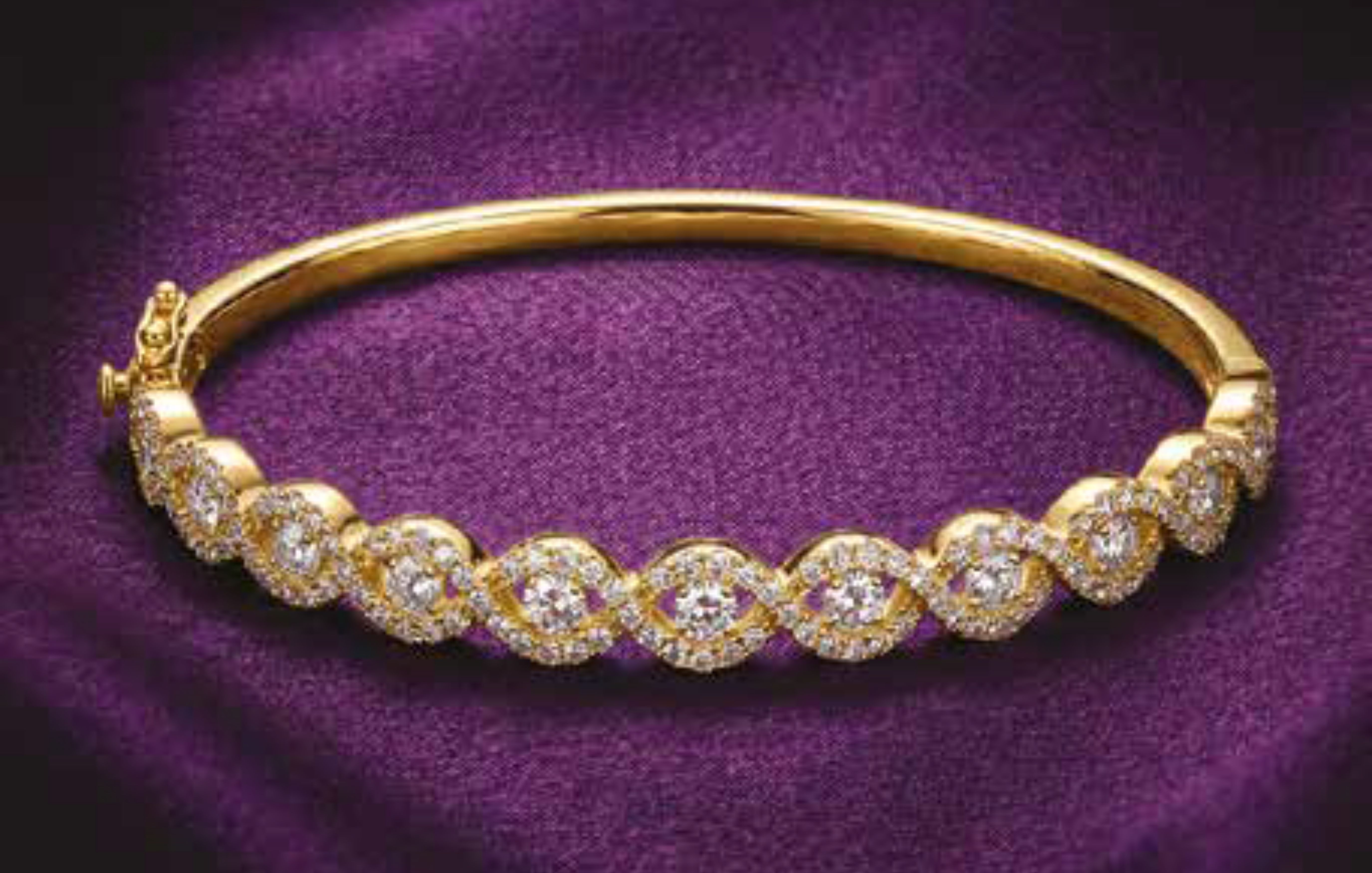
Natural diamonds have ruled the jewellery world for generations, but their laboratory-grown rivals are stealing the spotlight. With similar sparkle, dramatically different price tags, and plenty of opinions, Malaysia's diamond lovers face the ultimate luxury dilemma. Is Mother Nature still the queen of bling, or has science rewritten the rules of romance?
Diamonds are forever. Or so we've been told. But apparently, paying a small fortune for one is no longer compulsory. Picture this: you're admiring a dazzling two-carat diamond ring. It sparkles from every angle, looks straight out of a Hollywood proposal, and comes with a romantic backstory involving billions of years beneath the Earth's surface. Then comes the price tag. Suddenly, your dream honeymoon in the Maldives starts looking suspiciously like a weekend in Port Dickson.
Now imagine another ring with a comparable size and sparkle, except its diamond was grown in a laboratory for considerably less. Welcome to the great diamond debate, where tradition clashes with technology, romance meets reality, and the question is no longer simply, "How big is the diamond?" but rather, "Is it natural or lab-grown?"
Here's the first plot twist: lab-grown diamonds are not fake diamonds. Unlike cubic zirconia or moissanite, they are genuine diamonds with essentially the same chemical composition, crystal structure, and optical properties as their natural counterparts. Both score a perfect 10 on the Mohs hardness scale, and telling them apart by sight alone is virtually impossible.
The difference lies in their origin story. Natural diamonds form under immense heat and pressure deep within the Earth over millions to billions of years. Lab-grown diamonds are produced using advanced technologies such as High-Pressure High- Temperature (HPHT) and Chemical Vapour Deposition (CVD), which recreate the conditions necessary for diamond growth in a controlled environment.
Think Mother Nature versus modern science. One took an extraordinary geological journey; the other can be produced in weeks. Both know how to make an entrance. So, if they look virtually identical, why pay more?
For natural diamond enthusiasts, the answer goes beyond sparkle. It's about rarity, heritage, and emotional significance. A natural diamond is a finite geological treasure, with a story that technology cannot replicate. Passed from grandmother to mother to daughter, it can become a family heirloom that gathers memories across generations.
For many Malaysians, jewellery is deeply intertwined with engagements, weddings, anniversaries and family traditions. A precious stone represents more than an accessory; it can symbolise love, prosperity and continuity. Natural diamonds fit beautifully into that narrative.
But lab-grown diamonds have a compelling argument of their own: more sparkle for your ringgit.
Imagine having RM10,000 to spend on an engagement ring. A natural diamond may require compromises on size, colour or clarity, while a lab-grown alternative could offer a larger or highergrade stone for the same budget. The savings could go towards a fabulous honeymoon, your investment portfolio or even the down payment on your first property.
The catch? Resale value. Natural diamonds generally have greater recognition in the secondary jewellery market, but that doesn't make every natural diamond a sound investment. Retail mark-ups, market demand, certification, and individual stone characteristics all affect resale prices. Lab-grown diamonds face additional uncertainty as production expands and retail prices come under pressure.
Neither guarantees a financial return. If you're buying a diamond to celebrate your marriage, perhaps resale value was never the point. After all, nobody proposes by whispering, "Darling, will you marry me? I've calculated the projected depreciation." At least, we sincerely hope not.
Then there's sustainability, another consideration for today's conscious consumer. Lab-grown diamonds eliminate the need to mine the gemstone itself, but their production can consume substantial electricity. Their environmental impact depends on the technology used and the energy powering the facilities. Natural diamond mining also carries environmental and social considerations, although responsible sourcing initiatives seek to address them.
In short, lab-grown doesn't automatically mean carbon-neutral, just as natural doesn't automatically mean irresponsibly sourced. Look beyond the marketing and ask about provenance, energy use, and supply-chain transparency. Ultimately, this debate reflects how our definition of luxury is changing. Once defined largely by scarcity and exclusivity, luxury increasingly embraces individuality, informed choices, and personal satisfaction.
Whichever side you're on, shop smart. Understand the four Cs — cut, colour, clarity and carat weight — and remember that cut quality plays a crucial role in brilliance. Request a grading report from a reputable gemmological laboratory, such as the Gemological Institute of America (GIA) or the International Gemological Institute (IGI), and ensure it identifies the stone as natural or laboratory-grown. Compare diamonds with similar specifications, and check warranties, resizing policies, and after-sales services before committing.
Most importantly, decide what matters to you. Is it rarity, heritage, size, appearance or price? A beautifully cut one-carat diamond can be more captivating than a poorly cut three-carat stone. Bigger isn't automatically better; brilliance is what makes people look twice.
So, should you spend RM30,000 on a natural diamond or RM3,000 on a laboratorygrown alternative? Diamonds may be forever, but the rules of buying them have changed. And darling, the choice has never been more dazzling.
Subscribe
Select topics and stay current with our latest insights