Swing by Sand & Sea

Swing by Sand & Sea
7 Island Golf Courses Worth Booking This Summer
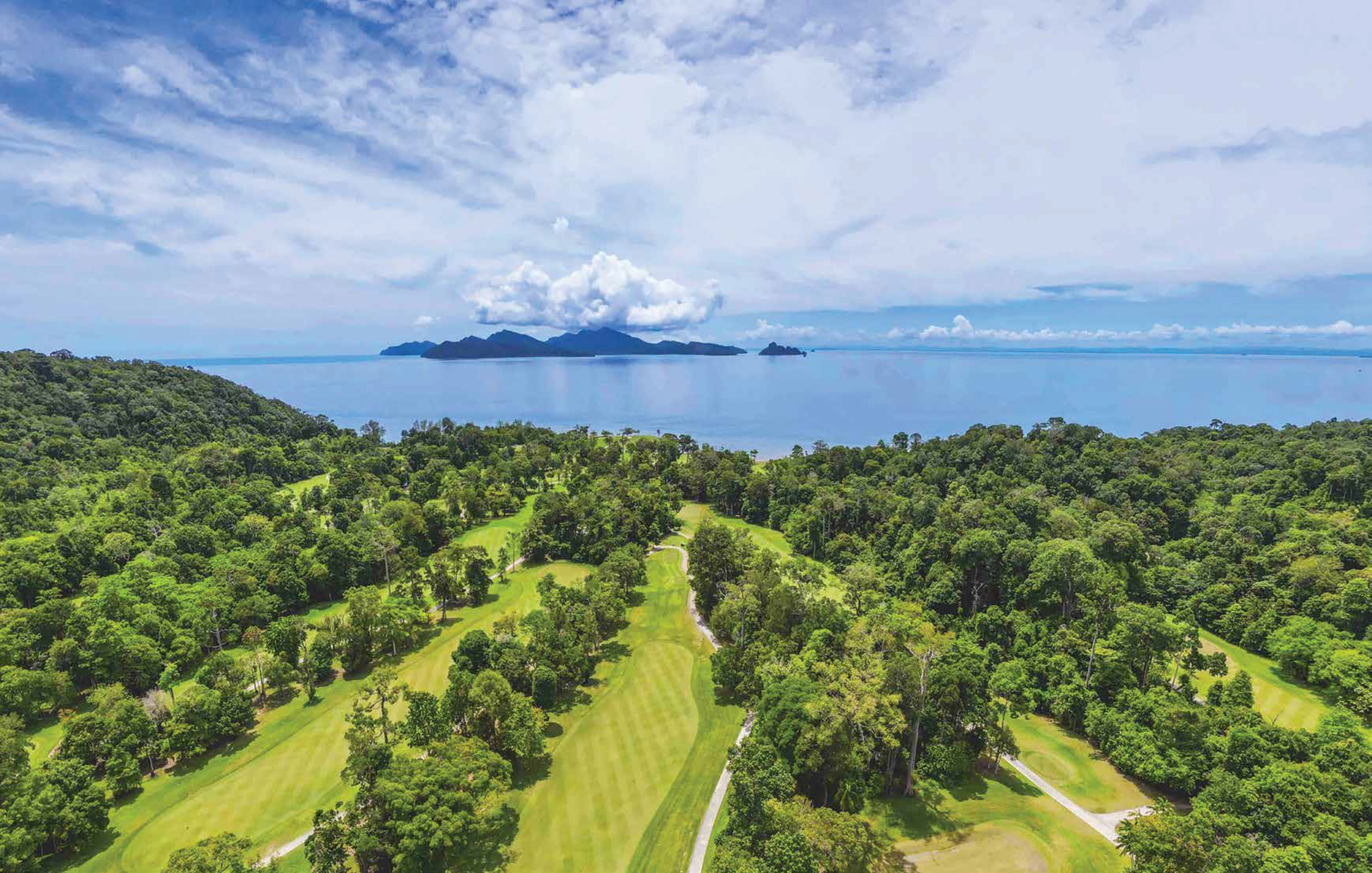
1. THE ELS CLUB TELUK DATAI, MALAYSIA
Set within a 10-million-year-old rainforest, this Ernie Els–designed course feels less like a golf club and more like a nature reserve that happens to include immaculate fairways. The 18-hole, par-72 layout winds through dense jungle before opening out to dramatic sea views, with limestone peaks framing the horizon.
It’s not just scenic, it’s strategic. Narrow corridors and elevation changes demand precision, making it as rewarding as it is beautiful. For Malaysian golfers, it’s also the rare luxury of a worldclass island course that doesn’t require a passport.
2. RIA BINTAN GOLF CLUB, INDONESIA
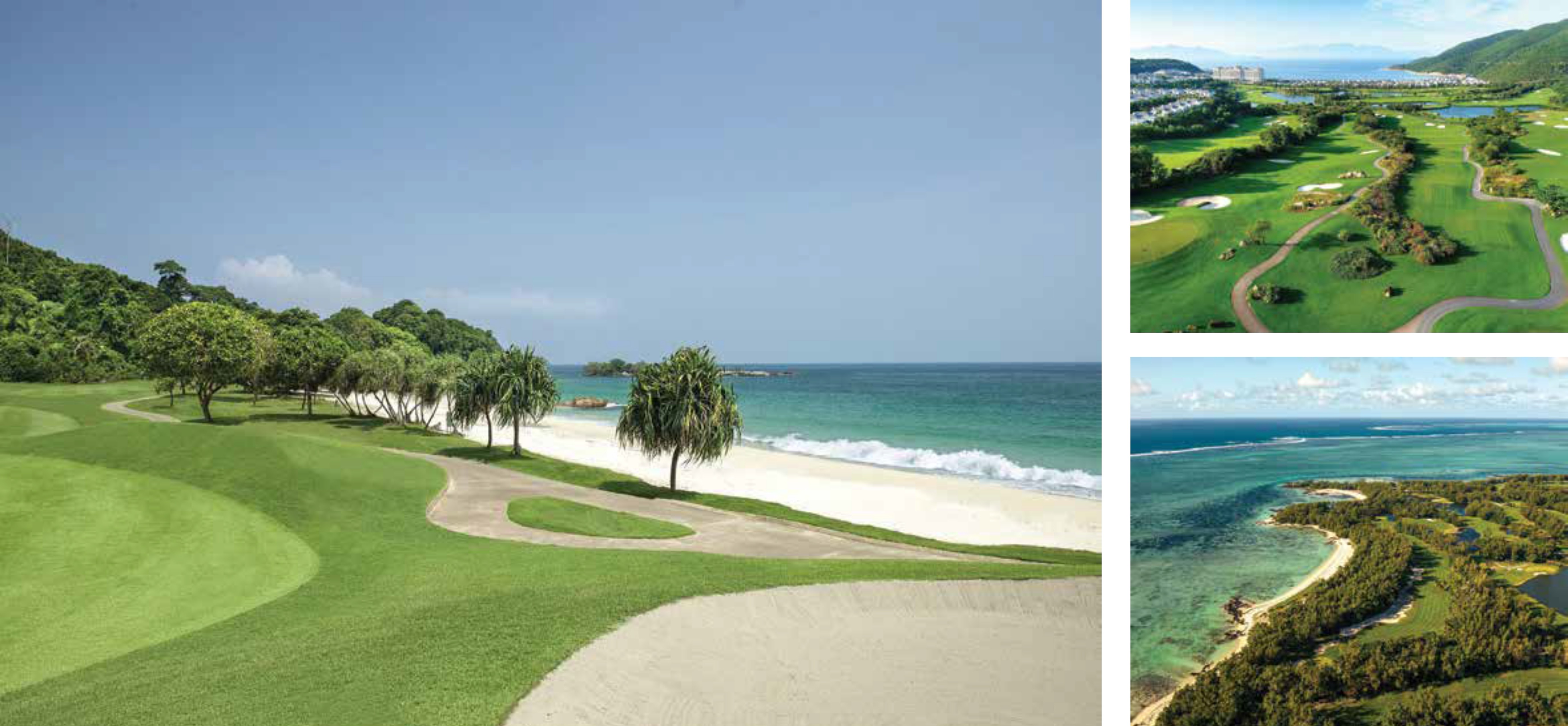
Just an hour from Singapore by ferry, Bintan has quietly become one of Southeast Asia’s most compelling golf escapes. The Ocean Course, designed by Gary Player, is the island’s headline act—a classic coastal test where wind is the primary defence.
Cliff-top tee boxes, crashing waves and winds that refuse to be ignored define the experience. The signature par-3 ninth, played over a rocky inlet to a green that seems to float at sea, is one of the most photographed holes in the region. It’s dramatic, unforgiving and utterly unforgettable.
3. VINPEARL GOLF PHU QUOC, VIETNAM
Set within the protected forestland of Phu Quoc, Vinpearl offers something slightly rarer: the feeling of golfing in a landscape that still feels largely untouched. Fairways cut through dense greenery, with native terrain shaping the course rather than the other way around.
The course features rolling fairways, blind tee shots and elevation changes that make distance judgement key. Greens are subtly contoured, requiring careful reads rather than aggressive putting. It’s not overly long, but it rewards those who can shape shots and adapt to uneven lies.
4. ÎLE AUX CERFS GOLF CLUB, MAURITIUS
If there is such a thing as a “destination within a destination,” this is it. Designed by Bernhard Langer, this course occupies its own island off the east coast of Mauritius, accessible only by boat. The routing demands accurate iron play into small, well-protected greens, with lagoons in play on multiple holes. Fairways are generous, but approach shots require precision due to tight pin placements. Wind conditions shift throughout the day, making club selection a constant calculation.
5. VILLINGILI GOLF COURSE, MALDIVES
Golf in the Maldives is less about scale and more about setting. Located on Villingili Island, this course offers a rare experience: playing against uninterrupted views of the Indian Ocean, with fairways framed by white sand and palm trees.
The course is relatively compact, but narrow fairways and sandy waste areas demand accuracy. Sea breezes influence ball flight more than expected, especially on exposed holes. It’s all about precision and tempo, a refreshing shift for low handicappers used to longer layouts.
6. SERAPONG GOLF COURSE, SINGAPORE
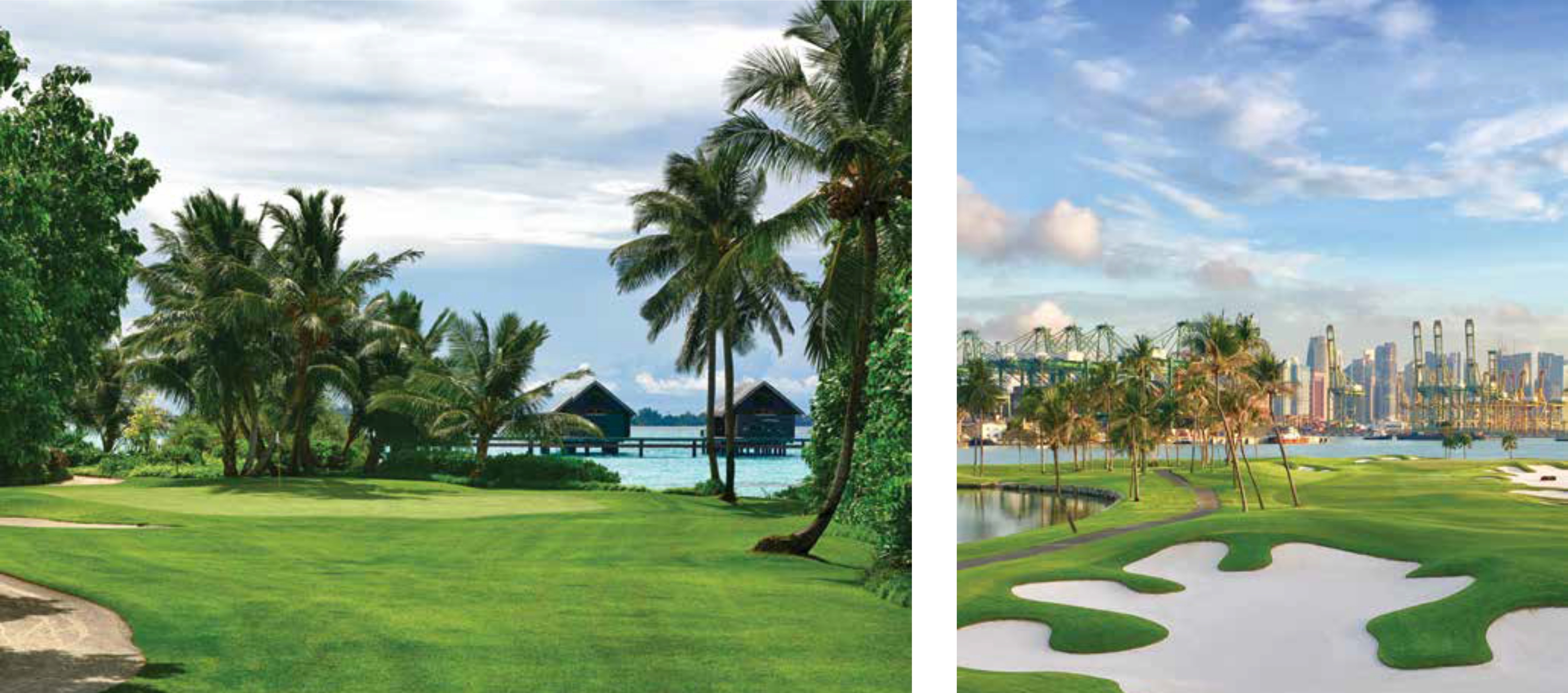
Regularly ranked among Asia’s top courses, the Serapong Course at Sentosa Golf Club is a serious player’s layout. Redesigned by Andrew Johnston, it stretches to over 7,300 yards from the tips and has hosted the Singapore Open multiple times.
Expect strategic bunkering, tight landing zones and ever-present coastal winds coming off the Singapore Strait. The routing moves through reclaimed land and marshes, with water in play on a majority of holes. The finishing stretch is particularly demanding, where risk-reward decisions can quickly swing a scorecard.
This is not a leisurely resort round. It’s tournament-calibre golf, where course management and shot discipline matter as much as distance.
7. PRINCEVILLE MAKAI GOLF CLUB, HAWAII
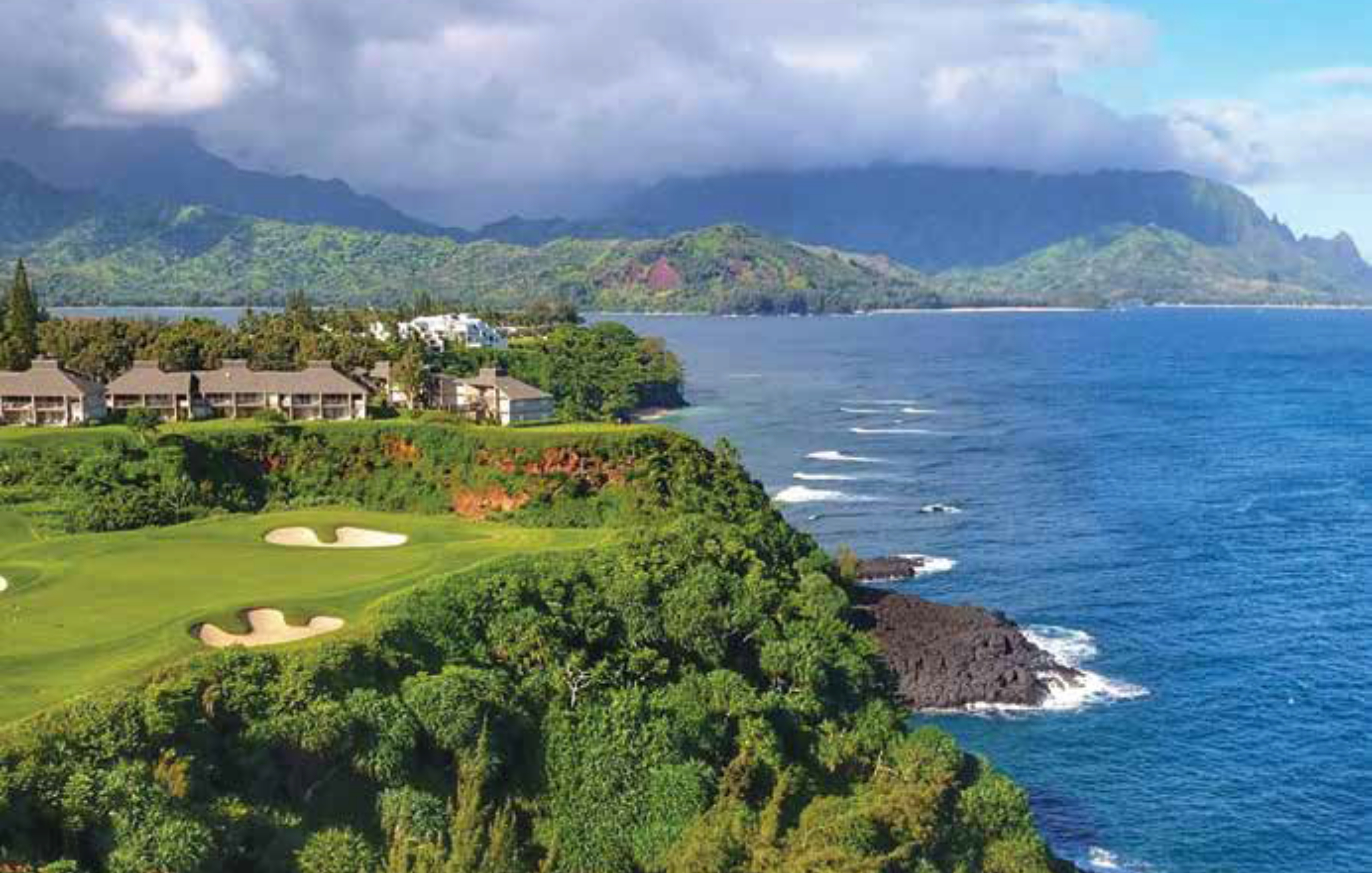
The Makai Course at Princeville Makai Golf Club, designed by Robert Trent Jones Jr., is a layout that combines rolling terrain, multi-tiered greens and constant exposure to trade winds that can change club selection dramatically.
The front nine weaves inland with strategic bunkering and elevation changes, while the back nine opens up to the ocean, culminating in a series of cliffside holes that demand both precision and nerve. The signature par-3 over the Pacific is visually stunning, but the real test lies in controlling trajectory and distance in unpredictable wind conditions.
Subscribe
Select topics and stay current with our latest insights