
Fuel, Friction & The Malaysian Driver

Fuel, Friction & The Malaysian Driver
As petrol prices climb, here’s how to stay ahead without driving yourself crazy.
There was a time when filling up your tank felt like a quick errand. Today, it feels more like a financial decision. With petrol prices rising in Malaysia and subsidy structures evolving, the humble act of driving now comes with a new level of awareness — and, for many, a mild sense of dread at the pump.
As of April 2026, the government’s adjustment to the RON95 subsidy quota — capped at 200 litres per month — has made fuel consumption something Malaysians can no longer afford to ignore. While the subsidised rate of RM1.99 per litre still offers relief, exceeding that quota means paying significantly more. In other words, how you drive, how often you drive, and even how you think about driving now matters more than ever.
Rising fuel prices don’t just affect your monthly petrol bill — they ripple into everyday life. Delivery costs increase. Food prices inch upward. Weekend drives feel less spontaneous. Suddenly, that “quick trip” doesn’t feel so quick anymore.
But here’s the thing: while fuel prices may be out of your control, how you respond to them isn’t.
MASTERING THE SUBSIDY GAME
The first step to managing rising fuel costs is understanding how to work within the system. With targeted subsidies like BUDI95, ensuring your eligibility is key. Your MyKad must be active and updated at petrol stations to access the subsidised rate. Miss that, and you’re essentially paying a premium without realising it. Equally important is tracking your usage. The 200-litre monthly quota may sound generous, but for daily commuters, it can disappear faster than expected. Staying within that limit isn’t just smart. It’s essential.
DRIVING SMARTER (NOT SLOWER)
Contrary to popular belief, fuel efficiency isn’t about driving painfully slow and holding up traffic. It’s about driving smoothly. Sudden acceleration and hard braking can increase fuel consumption by up to 25%, which is essentially like throwing money out of your window, but less dramatic. Maintaining a steady speed, ideally between 50 and 90 km/h, is where your car performs most efficiently. Once you push beyond 110 km/h, fuel consumption rises significantly, which means that extra speed is costing you more than just time. And then there’s idling, the silent fuel thief. Sitting in your car with the engine running while waiting for someone? That’s fuel being burned with zero return. If you’re stopped for more than a minute, switching off your engine is a small habit with meaningful savings.
Even air-conditioning plays a role. In Malaysia’s heat, it’s nonnegotiable, but using it wisely helps. Let the heat escape first, then cool the car. At higher speeds, keep windows closed to reduce drag. It’s all about balance.
YOUR CAR NEEDS A LITTLE LOVE TOO
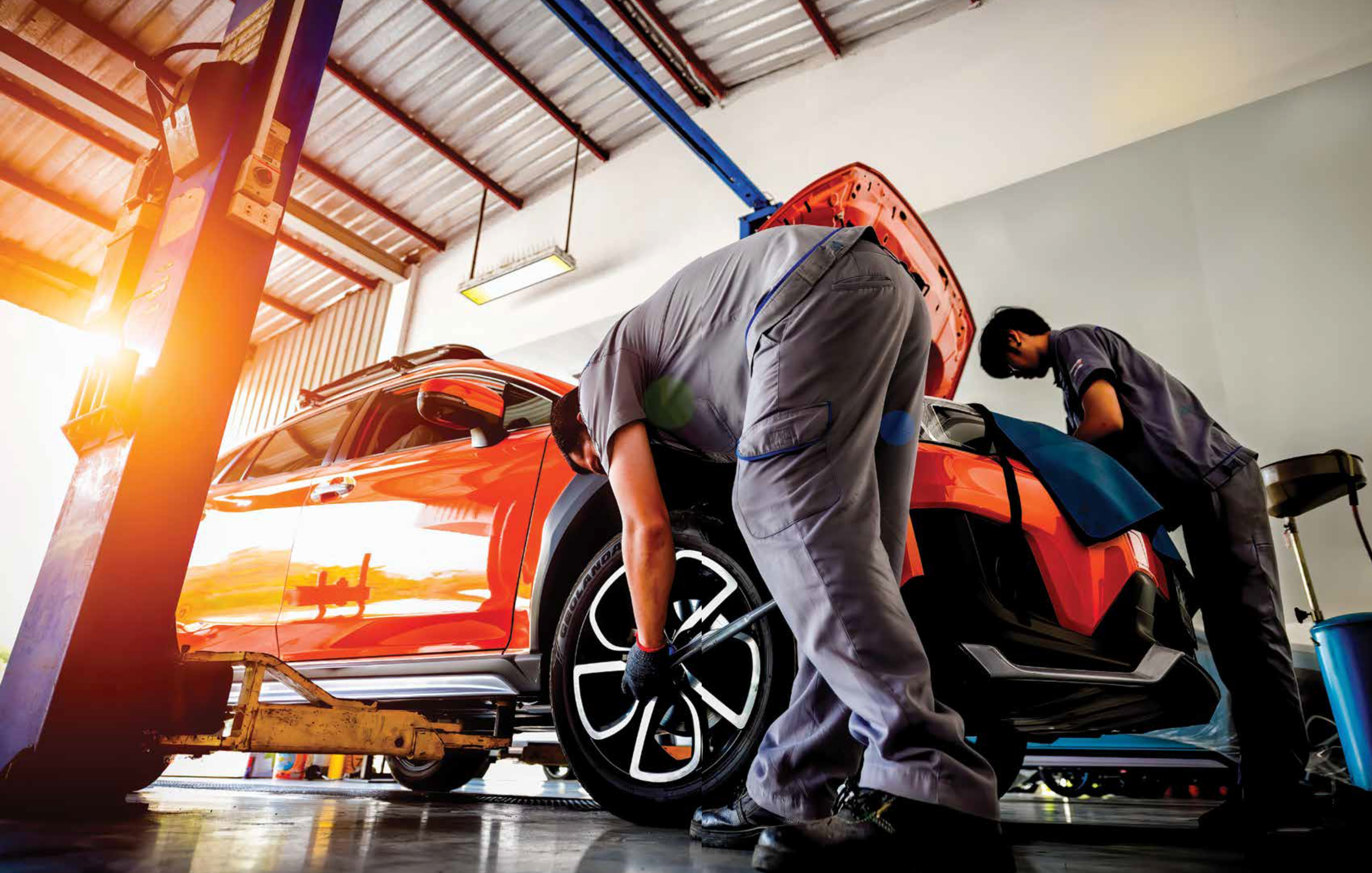
A well-maintained car is a fuel-efficient car. Something as simple as tyre pressure can make a difference, with under-inflated tyres increasing resistance and reducing efficiency. It may sound minor, but over time, those small inefficiencies add up.
Regular servicing matters too. Clean air filters and functioning spark plugs ensure your engine runs smoothly instead of overcompensating and burning more fuel. And if your boot looks like a storage unit, it might be time to declutter, excess weight means extra strain on your engine.
YOUR CAR NEEDS A LITTLE LOVE TOO
A well-maintained car is a fuel-efficient car. Something as simple as tyre pressure can make a difference, with under-inflated tyres increasing resistance and reducing efficiency. It may sound minor, but over time, those small inefficiencies add up.
Regular servicing matters too. Clean air filters and functioning spark plugs ensure your engine runs smoothly instead of overcompensating and burning more fuel. And if your boot looks like a storage unit, it might be time to declutter, excess weight means extra strain on your engine.
PLAN LIKE A PRO
Fuel efficiency isn’t just about how you drive — it’s about how you plan. Combining errands into a single trip reduces the number of times your engine starts cold, which is when fuel consumption is highest.
Navigation apps like Waze and Google Maps are no longer just for directions — they’re tools for saving fuel. Avoiding traffic jams and stop-start driving can significantly reduce unnecessary consumption.
And then there’s carpooling. It may not be glamorous, but splitting fuel costs is one of the simplest ways to ease the burden.
RETHINKING THE WAY WE MOVE
For some, rising fuel prices are prompting a bigger shift. Public transport options like the LRT and MRT are becoming more appealing, especially with improved connectivity and incentives. Digital services, such as JPJ’s online platforms, also reduce the need for unnecessary trips.
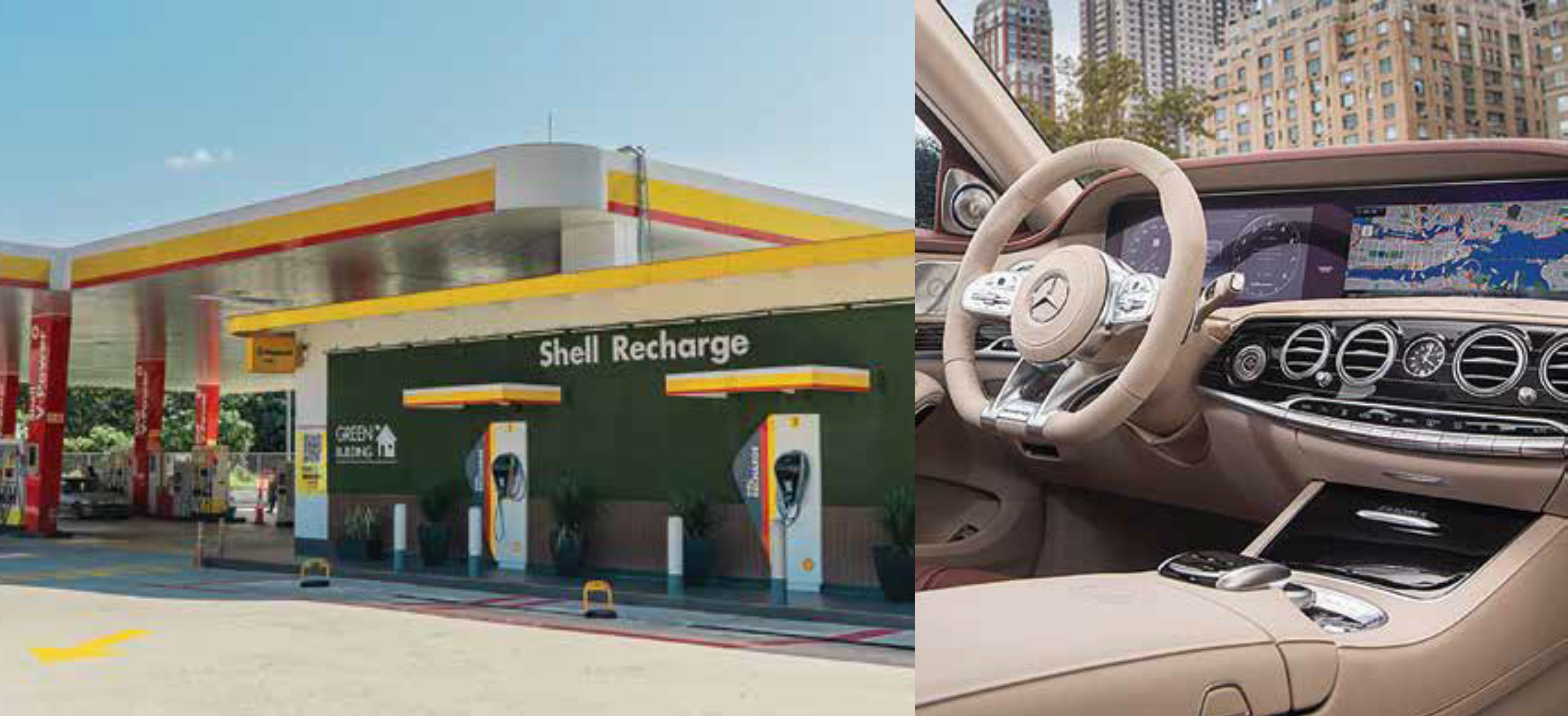
And then there’s the longer-term conversation: electric vehicles. While not an overnight switch for most, EVs are increasingly part of the discussion as Malaysians look for ways to future-proof themselves against fuel volatility.
THE NEW NORMAL
Rising fuel costs may feel like a constraint, but they’re also a reset. A reminder that efficiency isn’t just about saving money — it’s about being more intentional with how we move.
Because in today’s landscape, the smartest driver isn’t the fastest one. It’s the one who knows how to go further — with less.
Subscribe
Select topics and stay current with our latest insights