
Beyond the White Dress

Beyond the White Dress
Bridalwear symbolises the culmination of every woman’s dream, with an array of both contemporary and traditional designs
Every woman wants to look her best on her wedding day, and while bridalwear varies from country to country, all wedding outfits are undeniably beautiful.
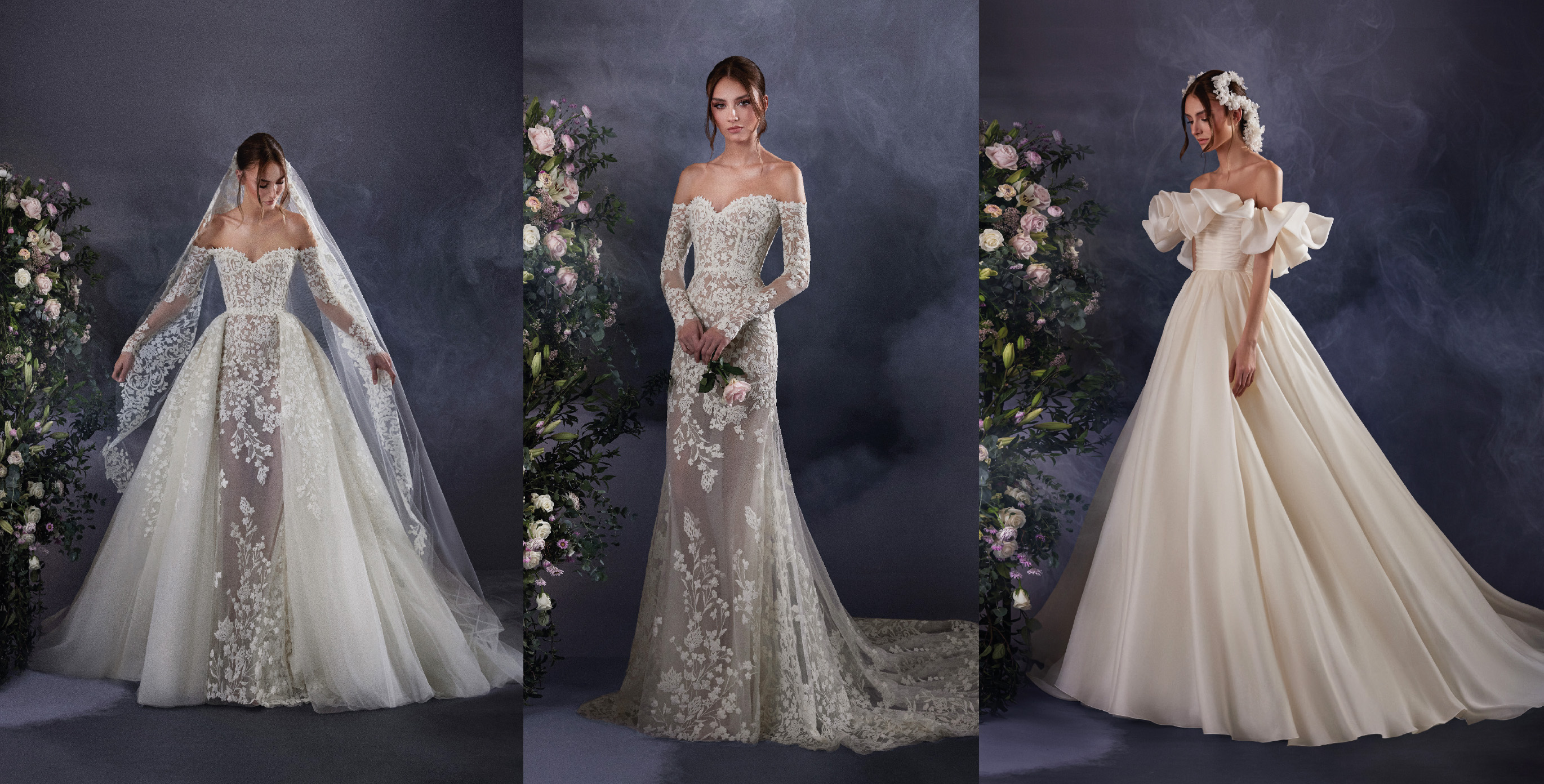
Exuding sensuality and allure, Zuhair Murad’s ethereal organza dress from his Bridal Spring/Summer 2024 collection is adorned with cascading ruffles that gracefully frame the neckline, enticingly revealing the shoulders. As for the sublime skirt, it is a showcase of finesse in every fold.
Other designs include those that enhance the feminine form where structured corsets embrace the body, accentuating its graceful curves with a mermaid silhouette.
Then there are dresses by Zuhair that come with dramatic voluminous sleeves, plunging necklines and seductive open backs, which harmoniously blend together, resulting in an enchanting allure.
The Lebanese designer’s collection tantalises with lovely shades of white and vanilla, epitomising the essence of love and romance.
For a myriad of wedding outfits, the ultimate destination is IF Wedding Fashion Izmir in Turkey. Featuring fashion shows by well-known designers, IF Wedding Fashion Izmir serves as the global gateway to the world of wedding dresses, groom’s attire and evening wear among others.
IF Wedding Fashion Izmir will be hosting its 17th edition this year, spanning four days from November 21, 2023 in Izmir, Turkey’s fashion and wedding industry capital.
Last year’s event witnessed the gathering of 223 exhibitors from Turkey and 13 other countries, representing various product categories including evening wear, wedding dresses and groom’s attire. The fair attracted an impressive total of 25,027 professional visitors from 98 countries, solidifying its reputation as one of the world’s largest fashion fairs.
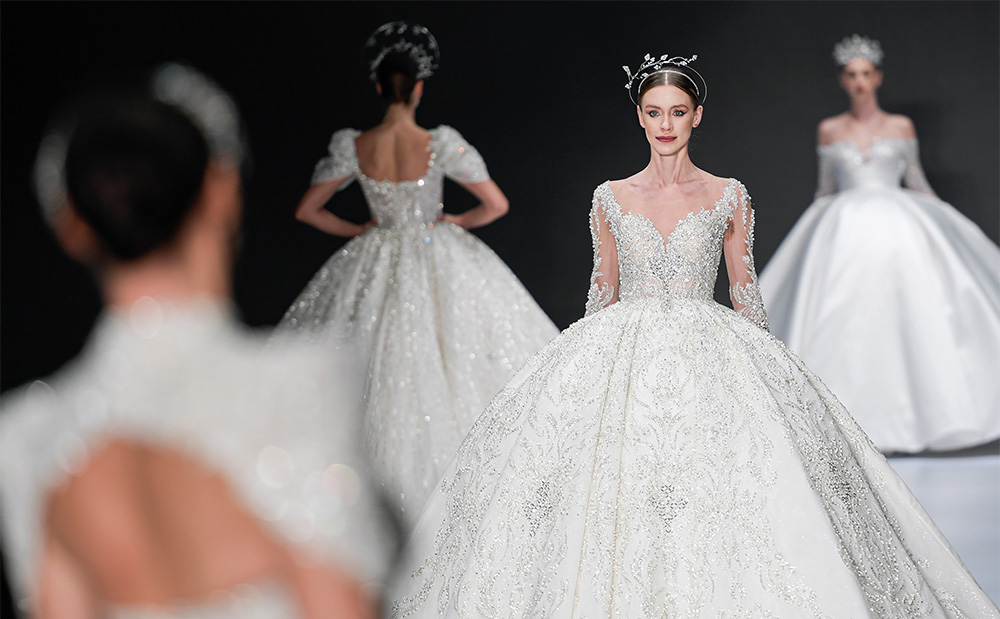
Wedding dresses previously showcased at the event feature a variety of designs that are simply mesmerising.
From opulently embroidered gowns exuding luxury to exquisite lace creations, embellished with feathers or sparkling crystals for an added touch of glamour, the options are endless. For those seeking understated elegance, there are also classic and simple designs available.
In addition to the stunning wedding dresses, a variety of tiara designs complement the bridal attire, ranging from delicate and minimalist styles to elaborate and intricately-crafted pieces that are sure to turn heads.
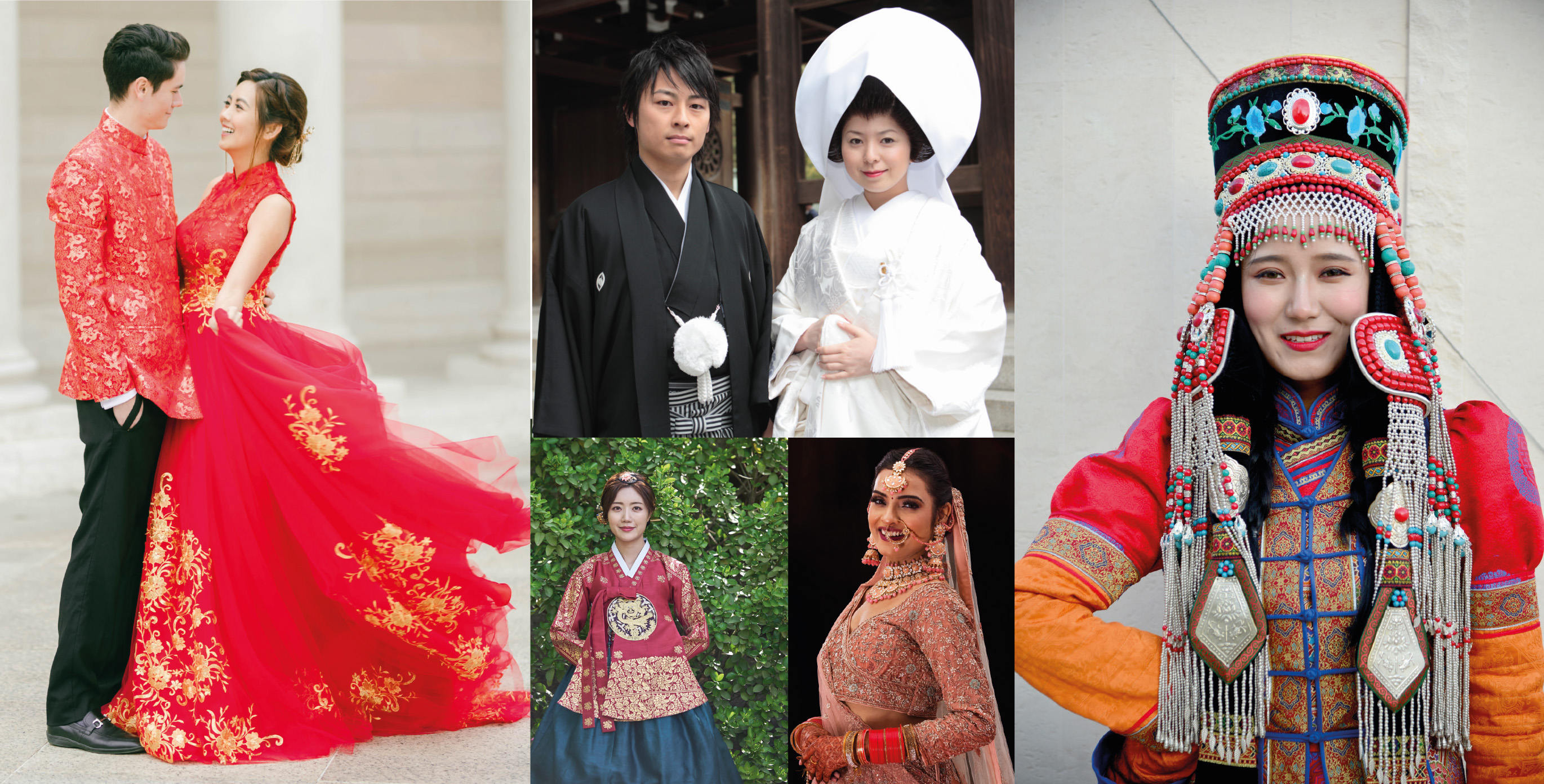
When it comes to traditional wedding attire, they often captivate with their extravagance and eye-catching appeal. Take, for instance, the Indian bride’s lehenga, a three-piece ensemble consisting of a magnificent ankle-length skirt called the lehenga, a form-fitting blouse known as the choli and a draping scarf known as the dupatta.
Lehengas typically come in striking colours and are accented with fine gold designs crafted with gleaming gold thread, further enhanced with the sparkle of crystals. To complete the ensemble, the bride is elegantly draped with an extravagant head scarf and decked out with a generous amount of jewellery.
In a traditional Mongolian wedding, the joyful couple adorn themselves in a unique attire called Deel. This robe-like garment, made from fabrics such as cotton, silk, wool or brocade, holds significance in both rural and urban settings. While herders often wear the Deel in rural areas, it is primarily reserved for elderly individuals in major towns.
The distinctive Deel holds a prominent place in special occasions and ceremonies, including weddings, and has been an integral part of nomadic tribes in Central Asia for centuries. Its patterned designs are shared among various ethnic groups in Central Asia, albeit with variations special to each group.
In contrast to our familiar wedding attire, Japanese wedding customs diverge in a significant way. However, one common aspect persists - the bride’s kimono is always white, to signify purity and maidenhood. Occasionally, a touch of colour adorns the white kimono, with red and gold hues, which symbolise luck. The groom also wears a kimono, usually in black.
Red and gold are often chosen as the preferred colours by Chinese couples getting married. The former signifies love, success, happiness, prosperity, luck, fertility, honour and loyalty, while the latter symbolises wealth.
In South Korea, traditional bridal outfits continue to be cherished even though modern wedding attire have gained popularity.
Although some couples opt for a modern ceremony devoid of traditional outfits and rituals, elements of tradition still find their way into the celebration.
The traditional wedding outfit for the bride, groom and their respective parties in South Korea is known as Hanbok. This graceful ensemble consists of a long, colourful jacket decorated with intricate handmade embroidery and features long sleeves. The bride pairs the Hanbok with a wrapped skirt, which creates a look that is refined.
Whether embracing modern trends or observing timeless traditions, bridalwear holds special meaning as it encapsulates the essence of a bride’s most cherished day.
Subscribe
Select topics and stay current with our latest insights